The Rock Ethics Institute promotes engaged ethics research and ethical leadership from its home in Penn State’s College of the Liberal Arts.
Research
The Rock Ethics Institute’s research areas integrate ethical considerations into interdisciplinary scholarship at Penn State. Select a research area below to learn more or view all.

Public Life
How can we strengthen the ways humans live and interact with one another?

Sustainability
How should we best steward our planet?

Technology
What are the risks and rewards at the intersection of ethics and technology?

Gender and Sexuality
How do we ethically address forms of oppression and inequality intersecting with gender and sexuality?

Food and Agriculture
What ethical challenges exist within our global food and agriculture systems?

Health
What are the ethical and policy implications of the systemic and institutional influences on health?

Global Issues
What happens at the junctions of policy, politics, and power?

Race
How can racial divisions be healed? How can the United States solve systemic racism?
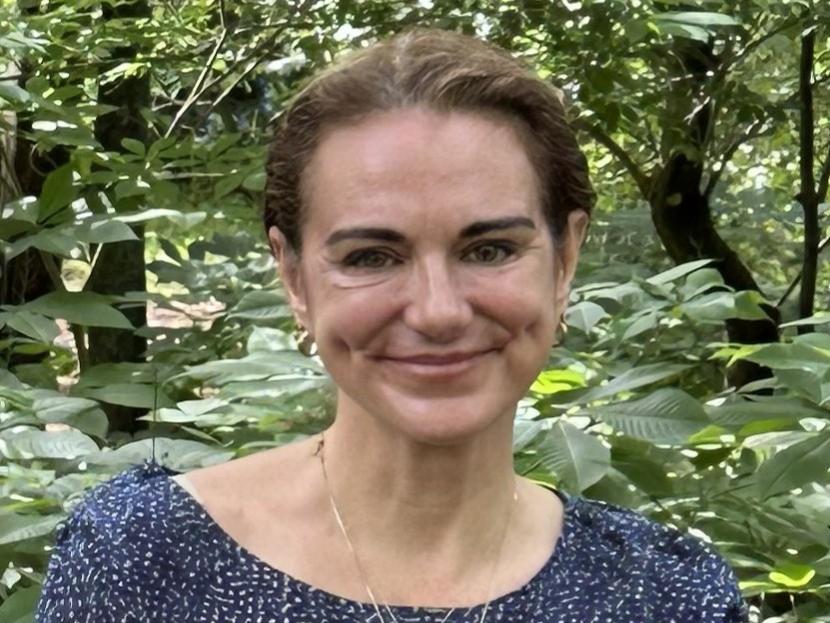
Penn State Assistant Professor of Sociology and Public Policy Sarah Brothers is the author of the new book, “Hit Doctors: Care, Harm, and the Art of Survival,” which examines the uncredentialed expertise of people who inject drugs for fellow drug users, usually for a few dollars or a share of drugs.
AI-generated empathy may prove an effective complement to — not a replacement for — human companionship, according to new study led by Penn State researchers.
The Rock Ethics Institute is accepting applications for its 2027–28 Faculty Fellows Program. The deadline to apply is Nov. 8. The institute anticipates awarding two fellowships, each providing a one-course release from teaching during the academic year to support ethics-related research.
Five Penn State scholars affiliated with the Rock Ethics Institute will participate in an international workshop Oct. 20-22 in Freiburg, Germany, launching a new collaboration with the Freiburg Institute for Advanced Studies. The workshop will explore ethical questions surrounding artificial intelligence, technology and sustainability, building on Penn State's longstanding strategic partnership with the University of Freiburg.
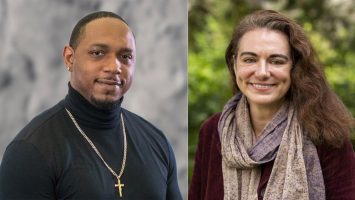
Nora Reikosky has joined Penn State’s Rock Ethics Institute as assistant director, bringing a research agenda focused on the influence of private power on public institutions and a professional background spanning academia, education and the private sector.
The College of IST recently announced the winners of its inaugural AI in Research Symposium. The event presented an opportunity for students and faculty to explore how AI is reshaping research and discuss how standards and practices might differ across academic communities.
Two free lectures by internationally respected ethics experts highlight the public portion of “Media Challenges to Digital Flourishing,” a two-day symposium coordinated by the Donald W. Davis Program in Ethical Leadership Penn State and scheduled Oct. 22-23 on the University Park campus.
Faculty member Patrick Plaisance in the Donald P. Bellisario College of Communications played a key role in revising the Society of Professional Journalists’ Code of Ethics, a widely recognized guide to ethical journalism.
Sarah Brothers, assistant professor of sociology and public policy, is the recipient of the American Sociological Association’s inaugural Early Career Award for Community-Engaged Scholarship.
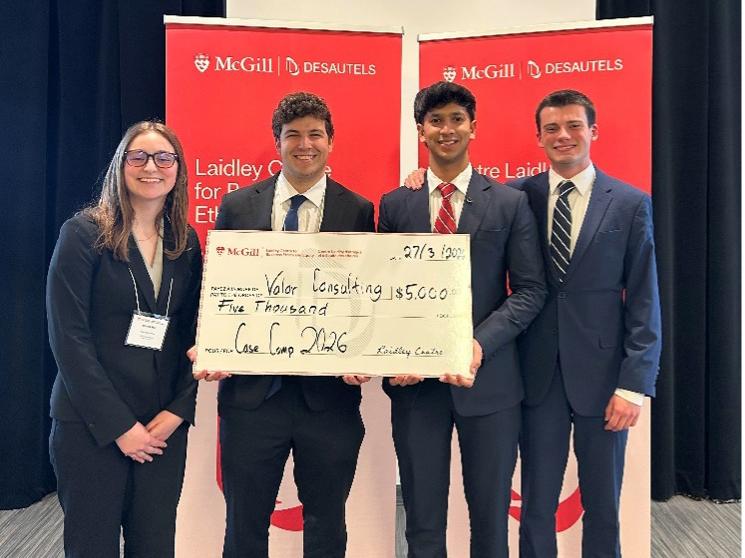
The Penn State Smeal College of Business Business Ethics Team debuted at the McGill Desautels Business Ethics Case Competition earlier this semester, earning a first-place finish.